US12754614 - Motion activated switch and method
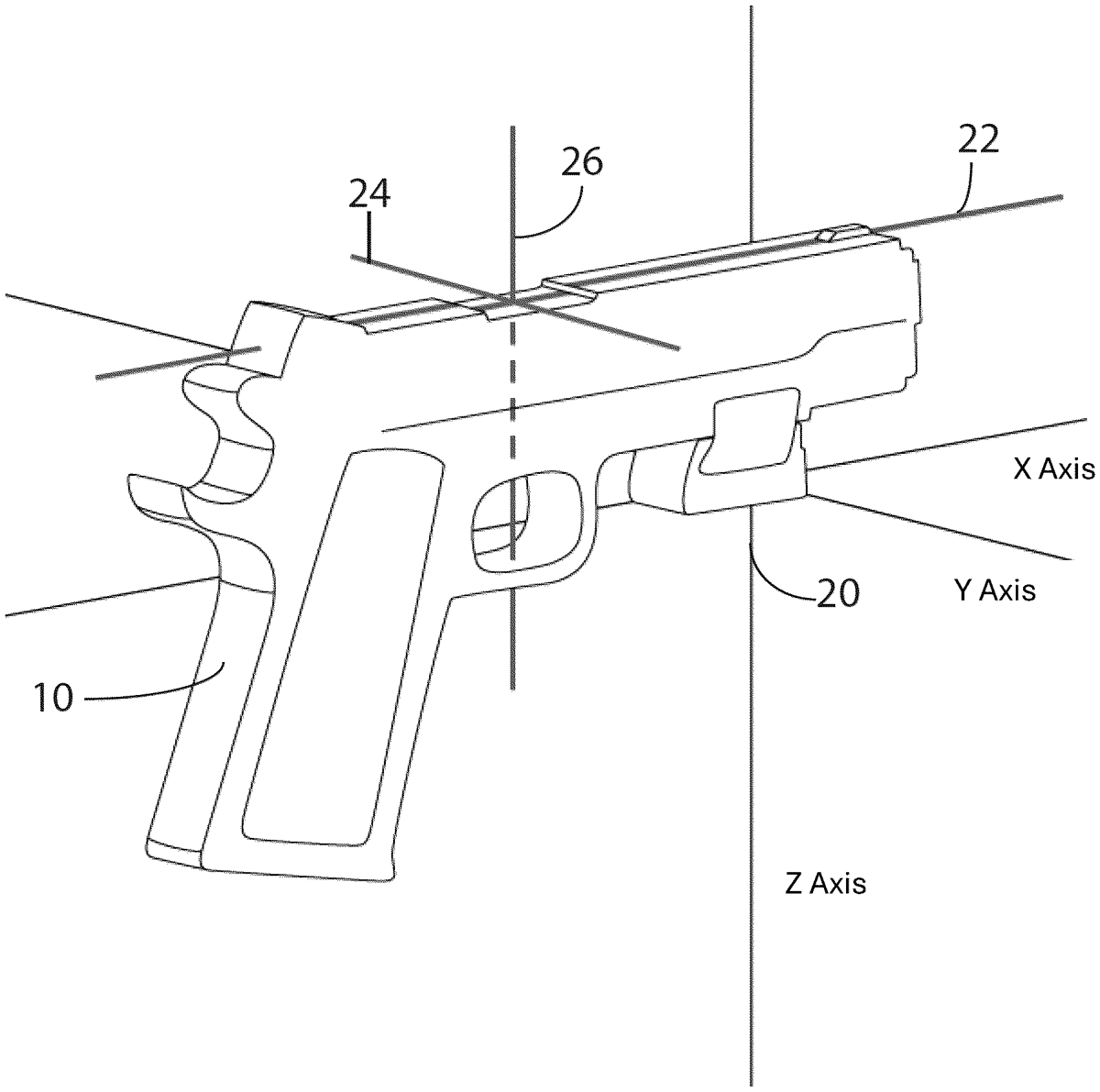
The patent describes a motion-activated switch that utilizes accelerometers to analyze the motion of an object and determine when to activate or deactivate the switch based on specific criteria. It employs a multi-condition activation mechanism that balances unintentional activations with a controlled response to deliberate motions, such as a wrist flick.
Claim 1
1 . A method for controlling a switch, said switch controlling electrical power transmitted to a load and comprising a processor and at least one motion measuring device, the method comprising: providing a multi-condition activation mechanism that activates the switch upon satisfaction of both: a) a first activation criterion that triggers an activation counter to begin incrementing in response to detecting a qualifying set of motion values that satisfy at least one counter activation condition; and b) a second activation criterion that determines if the activation counter reaches an activation counter threshold value after the first activation criterion is determined to be satisfied; setting the at least one counter activation condition that causes the activation counter to begin increasing in response to detecting the qualifying set of motion values, wherein a value stored by the activation counter starts to increase when the at least one counter activation condition is satisfied; setting at least one counter reduction condition that reduces the value of the activation counter when the at least one counter reduction condition is satisfied; determining if the first activation criterion is satisfied, at least in part, by: determining, using the at least one motion measuring device, motion values corresponding to movements of an object; and in response to determining that the motion values correspond to the qualifying set of motion values associated with the at least one counter activation condition, increasing the value stored by the activation counter; after the at least one counter activation condition is determined to be satisfied and the activation counter is triggered, determining if the second activation criterion is satisfied, at least in part, by: determining, using the at least one motion measuring device, additional motion values corresponding to movements of the object; continuing to increase the activation counter while the at least one counter reduction condition is not satisfied; in response to determining that the additional motion values satisfy the at least one counter reduction condition, reducing the value stored by the activation counter; and determining if the value stored by the activation counter satisfies the activation counter threshold value as the value stored by the activation counter changes; and activating the switch after both the first activation criterion and the second activation criterion have been satisfied, and the activation counter threshold value is reached. providing a multi-condition activation mechanism that activates the switch upon satisfaction of both: a) a first activation criterion that triggers an activation counter to begin incrementing in response to detecting a qualifying set of motion values that satisfy at least one counter activation condition; and b) a second activation criterion that determines if the activation counter reaches an activation counter threshold value after the first activation criterion is determined to be satisfied; setting the at least one counter activation condition that causes the activation counter to begin increasing in response to detecting the qualifying set of motion values, wherein a value stored by the activation counter starts to increase when the at least one counter activation condition is satisfied; setting at least one counter reduction condition that reduces the value of the activation counter when the at least one counter reduction condition is satisfied; determining if the first activation criterion is satisfied, at least in part, by: determining, using the at least one motion measuring device, motion values corresponding to movements of an object; and in response to determining that the motion values correspond to the qualifying set of motion values associated with the at least one counter activation condition, increasing the value stored by the activation counter; determining, using the at least one motion measuring device, motion values corresponding to movements of an object; and in response to determining that the motion values correspond to the qualifying set of motion values associated with the at least one counter activation condition, increasing the value stored by the activation counter; after the at least one counter activation condition is determined to be satisfied and the activation counter is triggered, determining if the second activation criterion is satisfied, at least in part, by: determining, using the at least one motion measuring device, additional motion values corresponding to movements of the object; continuing to increase the activation counter while the at least one counter reduction condition is not satisfied; in response to determining that the additional motion values satisfy the at least one counter reduction condition, reducing the value stored by the activation counter; and determining if the value stored by the activation counter satisfies the activation counter threshold value as the value stored by the activation counter changes; and determining, using the at least one motion measuring device, additional motion values corresponding to movements of the object; continuing to increase the activation counter while the at least one counter reduction condition is not satisfied; in response to determining that the additional motion values satisfy the at least one counter reduction condition, reducing the value stored by the activation counter; and determining if the value stored by the activation counter satisfies the activation counter threshold value as the value stored by the activation counter changes; and activating the switch after both the first activation criterion and the second activation criterion have been satisfied, and the activation counter threshold value is reached.
Google Patents
https://patents.google.com/patent/US12754614
USPTO PDF
https://image-ppubs.uspto.gov/dirsearch-public/print/downloadPdf/12754614